
Denver County Court Records Search
Denver County court records are unique in Colorado. Denver County Court operates separately from the state court system. It has its own records system. It has its own request procedures. The court handles many case types. It processes about 100,000 cases each year. This makes it one of the busiest courts in Colorado.
Denver County Court Quick Facts
Denver County Court Records Access
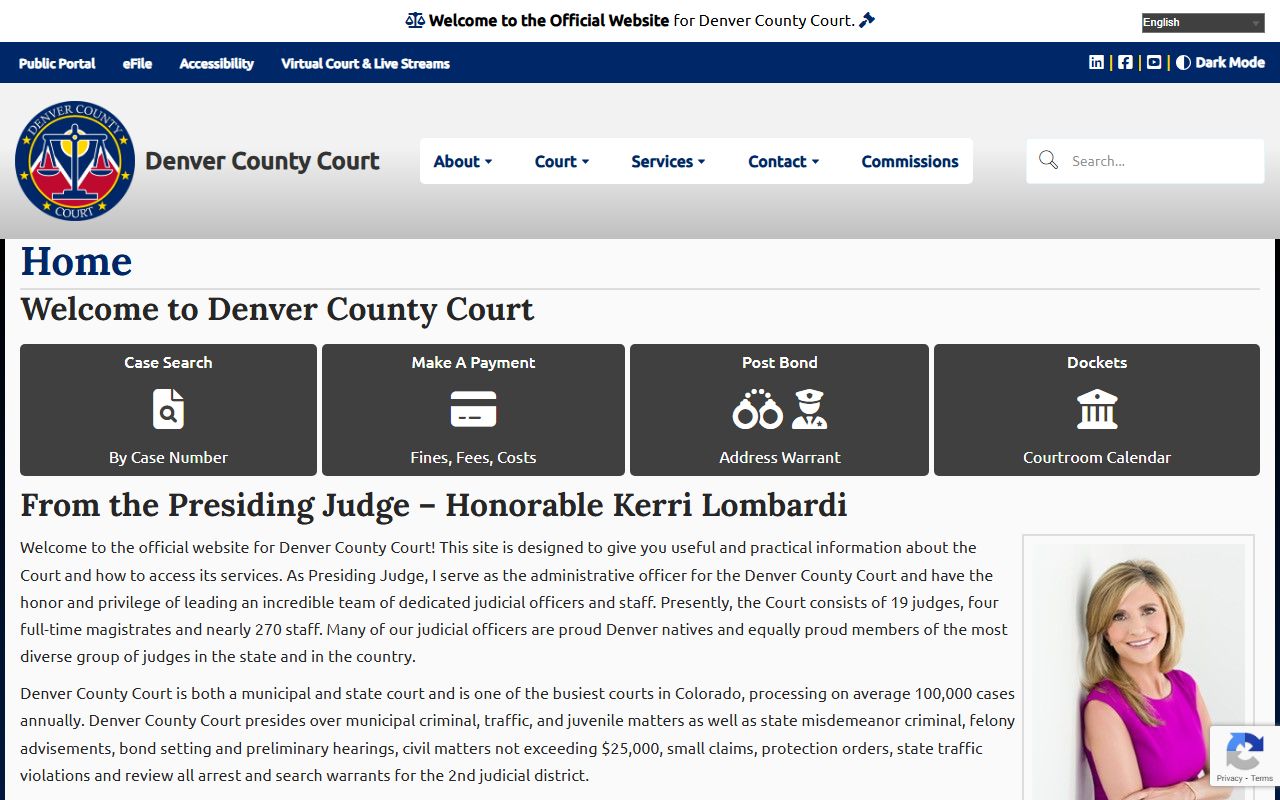
Denver County Court is both a municipal and state court. It handles many case types. Municipal criminal cases are filed here. State misdemeanors are heard. Felony advisements occur. Bond settings happen. Preliminary hearings take place. The court handles civil matters up to $25,000. Small claims are filed. Protection orders are issued. State traffic violations are processed.
The court reviews arrest warrants. It reviews search warrants. This is for the 2nd judicial district. The Presiding Judge is Honorable Kerri Lombardi. The court is busy. It serves Denver's large population. Records are in high demand.
The Denver County Court public portal is the best place to start. You can search cases by number. You can post bond. You can address warrants. Dockets are available. You can make payments. Court services are listed. You can access public records. The portal is at public.denvercountycourt.org.
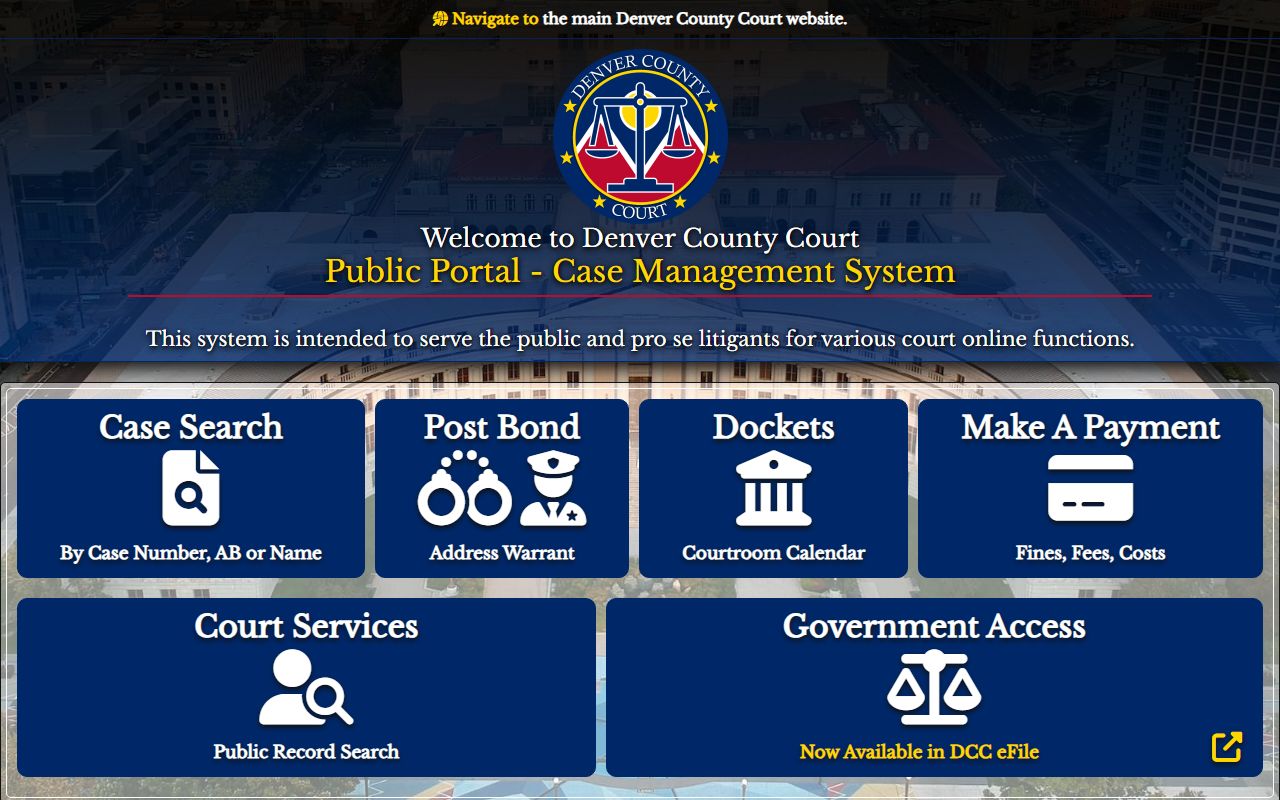
The public portal is easy to use. You need a case number to search. Traffic cases use different numbers. Misdemeanor cases have their own format. Civil cases use another system. The portal shows case status. It lists upcoming hearings. It shows fine amounts. You can pay online.
Requesting Denver County Court Records
Denver County Court is committed to transparency. They follow open government rules. The Colorado Open Records Act applies. So does the Criminal Justice Records Act. Chief Justice Directive 05-01 governs access. You have rights as a requester. The court must respond.
Criminal justice records have special rules. They are covered by CCJRA. Response times differ from CORA. The custodian has discretion. They can deny if release is contrary to public interest. Most records are available. Some are sealed. Some are confidential.
You can request records by email. Different divisions have different emails. Criminal and Municipal Divisions use 160records@denvercountycourt.org. Traffic and Civil Divisions use civil@denvercountycourt.org. You can also visit in person. Go to the Lindsey-Flanigan Courthouse. Go to the City and County Building Clerk's Office. Staff can help you.
Paper copies cost $0.25 per page. Certified copies cost extra. The exact fee varies. Contact the court for current rates. You can pay in person. Some requests may take time. Complex searches cost more. Off-site storage adds fees.
Denver District Court Records
Denver District Court is different from County Court. It is part of the state system. It handles bigger cases. Civil cases of any amount are heard. Domestic relations cases are filed. Criminal felonies are processed. Juvenile matters are handled. Probate cases go here. Mental health cases are heard.
The Lindsey-Flanigan Courthouse houses both courts. The address is 520 West Colfax Avenue. Denver, CO 80204. This is convenient. You can visit both courts in one trip. They have separate clerks. They have separate records systems. Do not confuse them.
District court records use state procedures. You request through the state system. Use the Colorado Judicial Branch forms. Email the court directly. Records requests go to the clerk. They handle all document copies. They certify records. They charge state fees.
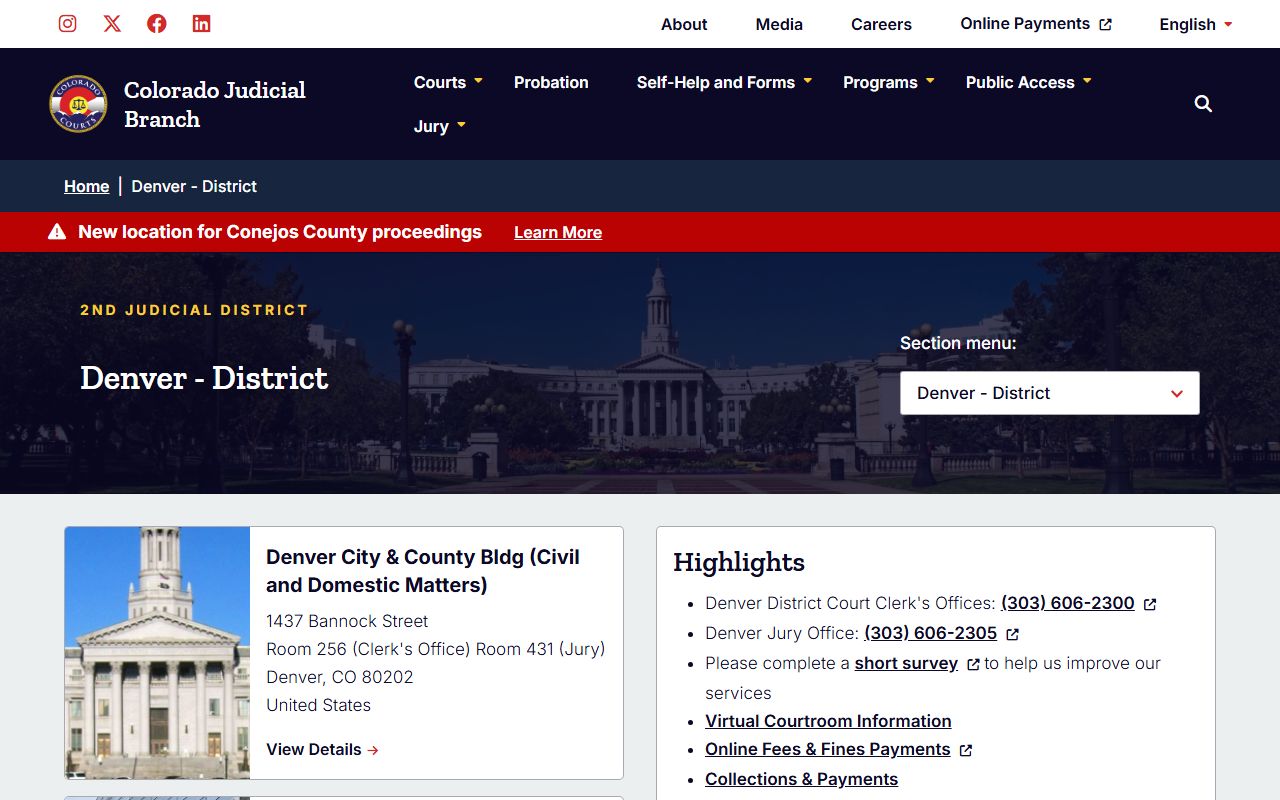
The District Court page has useful links. You can find forms. You can find local rules. You can find court calendars. Contact info is listed. Hours are posted. Visit coloradojudicial.gov/courts/trial-courts/denver-district for more.
Sealed Records in Denver County
Some Denver County records are sealed. Sealed records are not public. They are hidden from view. Only certain people can access them. Parties can see their own sealed records. Their lawyers can too. Some agencies have access.
Sealed records stay sealed unless opened by court order. Colorado law allows some access. Attorneys can see sealed civil eviction cases. They can see sealed criminal cases. They need client authorization. Proof is required. The court must verify.
If you think your record is sealed, check first. Use the sealed case search tool. It is at coloradojudicial.gov/sealed-case. Only defendants can use it. You need case details. You need personal ID info.
Note: Denver County Court cases start with special prefixes. Look for GV, GS, or D. These indicate County Court cases. General Sessions paperwork also shows this. State cases use different numbers.
Denver County Specialty Courts
Denver County Court runs specialty programs. These help specific groups. They focus on treatment. They focus on rehabilitation. Cases are handled differently. Records may have special rules.
Community Outreach Court helps homeless individuals. It addresses warrants. It clears old cases. Participants get services. The Wellness Court supports mental health. It links people to care. Competency Diversion helps those who need evaluation. Sobriety Treatment Court helps with addiction. Participants get treatment. They get support.
These courts create records too. Cases are still filed. Hearings still occur. You can request these records. Use the same process. Contact the clerk. Submit a request. Follow the fees schedule.
Denver County Court Transcripts
Transcripts are written records of court hearings. They record everything said. They are useful for appeals. They help with research. You can request transcripts. Denver County Court has a process.
Complete the online Transcript Request Form. You can find it on the court website. You need case details. You need the hearing date. You need the judge's name. Turnaround time varies. Complex cases take longer. Rush requests may cost more.
Not all hearings are recorded. Some are not transcribed. Check with the court first. Ask if a transcript exists. Ask about the cost. Ask about the timeline. Then submit your request.
Nearby Counties
These counties border Denver. You may need to check them too. Cases can involve multiple counties. Always verify the correct court.